
About us

Built for Miami show weeks where venue rules and field decisions collide

We plan the movement behind South Florida exhibits: what ships, where it stages, who releases it, when labor starts, and who owns the floor when the plan changes.

BaseBrickell, Miami
CoverageMiami-Dade + Broward
FocusVenue-ready execution
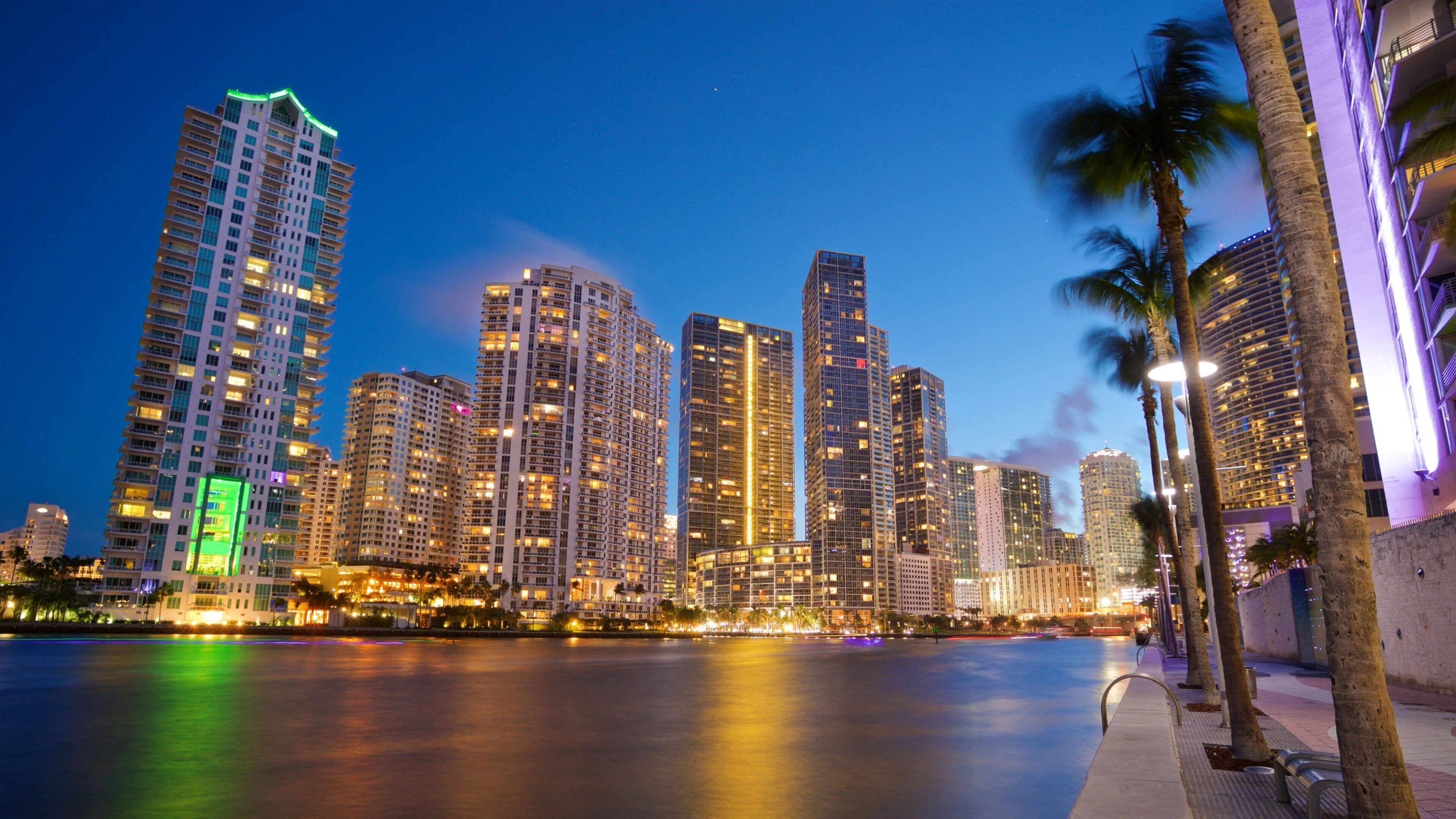
Miami skyline across Biscayne Bay

Miami rewards teams that make hard operating decisions early. A booth that works at Miami Beach Convention Center can become a different job once it shifts into a resort ballroom, a Brickell meeting floor, an airport-west hall, or a sponsor venue in Wynwood.

The planning conversation stays practical: venue, dates, footprint, freight path, storage needs, graphics release, audience expectation, approvals, and the vendors already in the room. Once those are visible, the real support stack becomes obvious.

The job is not to make the program sound bigger than it is. The job is to make it easier to run. Marketing, operations, procurement, venue contacts, and field crews should be looking at the same operating picture before the first truck is already waiting.

Operating pillar

Read the building first

Miami Beach convention work, Brickell hotel programs, airport-west halls, Wynwood activations, and Broward overflow all create different pressure. The plan starts with the room, dock, service path, and approvals.

Operating pillar

Keep one field calendar

Freight, labor, graphics, AV, venue paperwork, and show-site supervision belong in one readable schedule. That is how clients avoid reconciling five partial versions of the truth at move-in.

Operating pillar

Finish the week cleanly

Strike, return freight, storage, asset checks, and the next date are part of the same assignment. A disciplined close-out protects the next South Florida event before the current one is fully off the floor.

Venue guides

Research-backed

Verified venues are active in the Miami lane, spanning convention centers, resort properties, airport-side hotels, and Broward spillover locations that often share the same planning calendar. They help teams compare access, labor timing, and venue expectations before committing to footprint, staffing, or freight assumptions.

Location map

South Florida coverage

Location views span downtown Miami, the beach corridor, airport-west planning, and surrounding South Florida demand pockets where access and delivery timing change quickly. Each one shows how the neighborhood changes traffic, loading strategy, staffing rhythm, and the venue conversations that usually matter first.

Market clusters

Cluster-led

Researched venue clusters shape how access, labor expectations, venue coordination, and support coverage are discussed across the Miami market. They keep planning grounded in the actual difference between hotel-heavy programs, downtown conferences, and west-side freight paths.

Optional stacks

Extended support

Optional capability and rental views stay active because many Miami buyers need broader oversight that keeps rentals, supervision, and field support aligned. Those options are useful when the brief has to move across fabrication, staging, and live event control without splitting every step into a different vendor conversation.

Project intake

Share the venue, dates, scope, and biggest risk on the table.

That gives us enough to talk through labor timing, freight path, venue coordination, show-site ownership, and the operating decisions that actually move the project.

Brief your project