
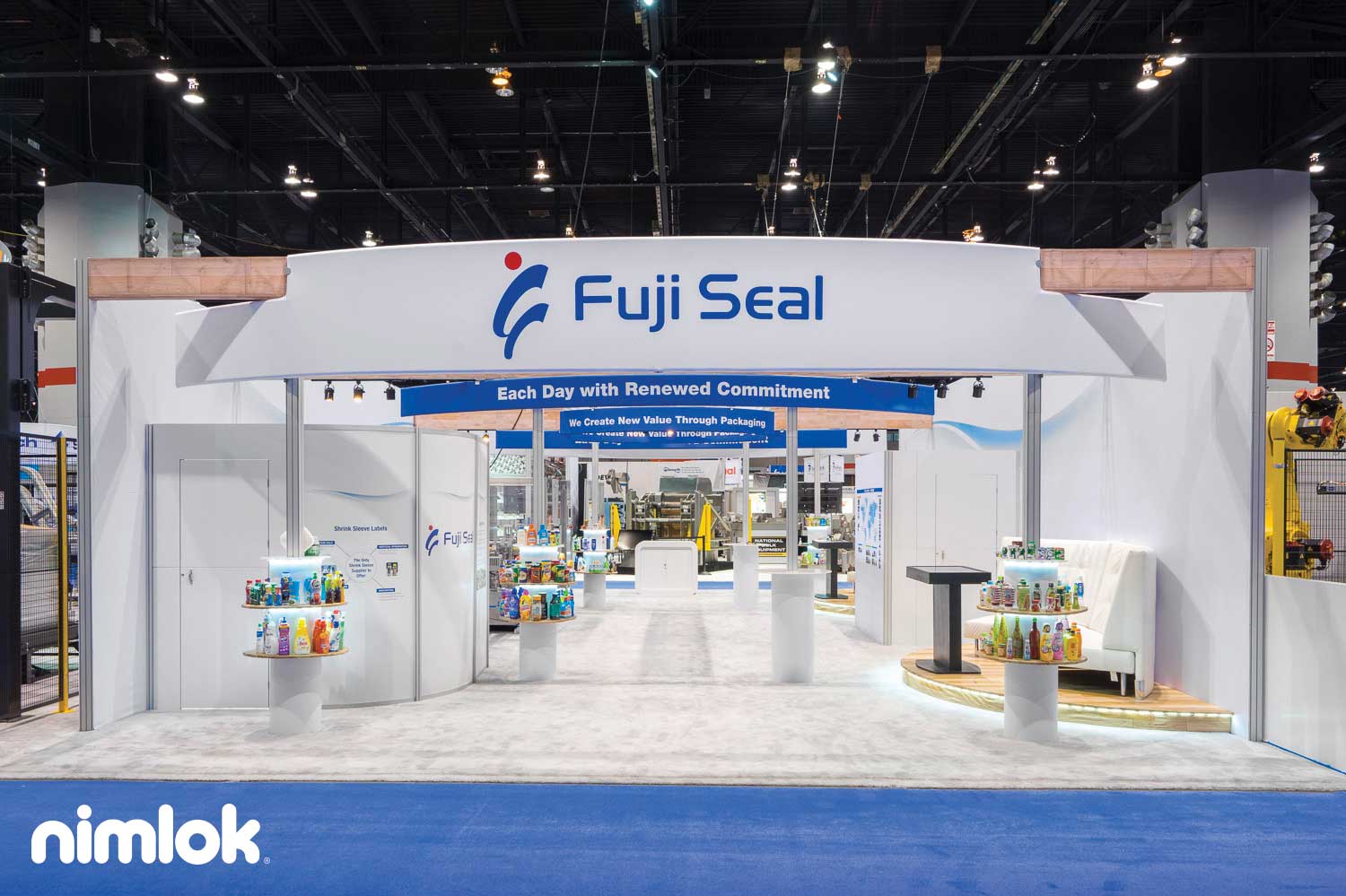
Shipping, Drayage, and Material Handling should be judged by how well it holds up under real venue pressure.
That is why the operating view matters so much in Miami.
Trade Show Logistics of Miami approaches the handling with that reality in mind. The point is not to add filler. The point is to turn the choice into better event outcomes such as fewer loading surprises and a cleaner close-out and a cleaner path through advance work, live show days, and strike.
What we focus on
Define where Shipping, Drayage, and Material Handling begins and ends before the scope gets split across vendors and internal owners.
Use control inbound freight, warehouse release, on-site staging, storage, and outbound recovery as one chain to decide what has to be settled in advance and what can stay flexible until the venue confirms live conditions.
Check Shipping, Drayage, and Material Handling against JW Marriott Miami so the service or format is formed by the building instead of by assumption.
Keep the budget tied to fewer loading surprises and a cleaner close-out rather than to a checklist of disconnected add-ons.
Miami as a trade show city
Scope gets tighter; standards don't.
The Miami Airport Convention Center listing highlights 172,000 square feet of conference, trade show, and meeting space, including 100,000 square feet of exhibition space, a 29,000-square-foot ballroom, and 45 breakout rooms.
Miami convention venues and meeting properties
Every Miami show takes place in a specific building with its own rules. The venues below come up most often on our production calendar.
The right building depends on the show: a consumer expo wants open aisles and broad traffic flow; a corporate conference wants controlled breakout space; a brand activation wants a venue that can carry scenic and production without fighting the architecture.
- Tie the scope to real move-in and strike windows instead of default assumptions.
- Check service orders, venue communication, and labor timing against the live venue documents.
- Use the venue to decide how much field coverage the job truly needs.
Why Trade Show Logistics of Miami
Trade Show Logistics of Miami keeps the work local.
Consistency across show dates is the other reason to hire local. The same crew that built the booth runs the install, knows the pack-out, and catches the small things — a missing hardware pack, a graphic edge that needs reseating, a storage crate routed to the wrong bay — without needing the client team to intervene.
Miami labor and venue services
There is no single labor model for Miami trade shows.
Miami and Broward, house services, and outside-vendor access as venue-manual-driven. Convention centers, airport facilities, resort campuses, and nightlife-oriented event venues do not share one defensible blanket labor rule.
Miami neighborhoods and event districts
Airport, Doral, and West Access Belt covers Doral, Miami Springs, West Miami, Sweetwater. Important for airport-adjacent conventions, west-side freight access, fabrication routing, and exhibitors who need easier trucking and warehouse movements than the beach corridor allows.
North Coastal Extension — Sunny Isles Beach, Aventura, North Miami — is a different environment. Useful for luxury resort meetings, sponsor hospitality, and overflow programs that connect Miami-Dade work with Broward County venues and hotel inventory.
Line items on a typical project
Individual projects layer or remove items based on scope.
The handoffs on a the handling project matter almost as much as the line items. Design has to hand a build-ready drawing to fabrication. Every handoff is a place quality can drop.
Those run alongside the engagement rather than inside it.
The process from start to finish
After the brief, the work turns to the building itself.
Install days are owned by a single on-site lead.
Throughout show hours, the on-site lead stays present.
Strike and closeout happen the same day.
Cost and lead time
Every project has the same cost drivers.
Lead time drives everything. Custom: 16 to 20 weeks. Rental: 8 to 12.
How project performance gets measured
Most programs in Miami are evaluated on lead-capture volume, meetings booked on the floor, and qualified-pipeline attribution after the show. The booth is a means to those numbers — it is not the number itself.
A week after the show, the booth's actual floor performance is already clearer than any pre-show projection. We document those observations alongside the technical closeout so the next cycle inherits real signal, not nostalgia.
Frequently asked questions
Do you work at Hyatt Regency Miami?
Yes. Our top priority for welcoming guests and colleagues back to Hyatt properties is doing it safely, with your wellbeing in mind. Whether it is a business or leisure trip, your time is precious.
How does labor work in Miami?
It runs venue by venue.
How much lead time is ideal?
Custom builds run best with 16 to 20 weeks of lead time. Rentals take 8 to 12 weeks.
What information kicks off a project?
The show, the venue, the booth number, the dates, and a target budget range. From those, an initial scope and a realistic cost come back within a few days.
Who runs the booth on-site?
One named show-site lead runs the install, the show hours, and the strike. That person carries the floor plan and the punch list from crates to doors and reports up once a day.
Can the booth travel to the next city on our calendar?
Same structure, swappable graphics, standard crates.
What happens if something breaks during show hours?
The on-site lead handles it.