
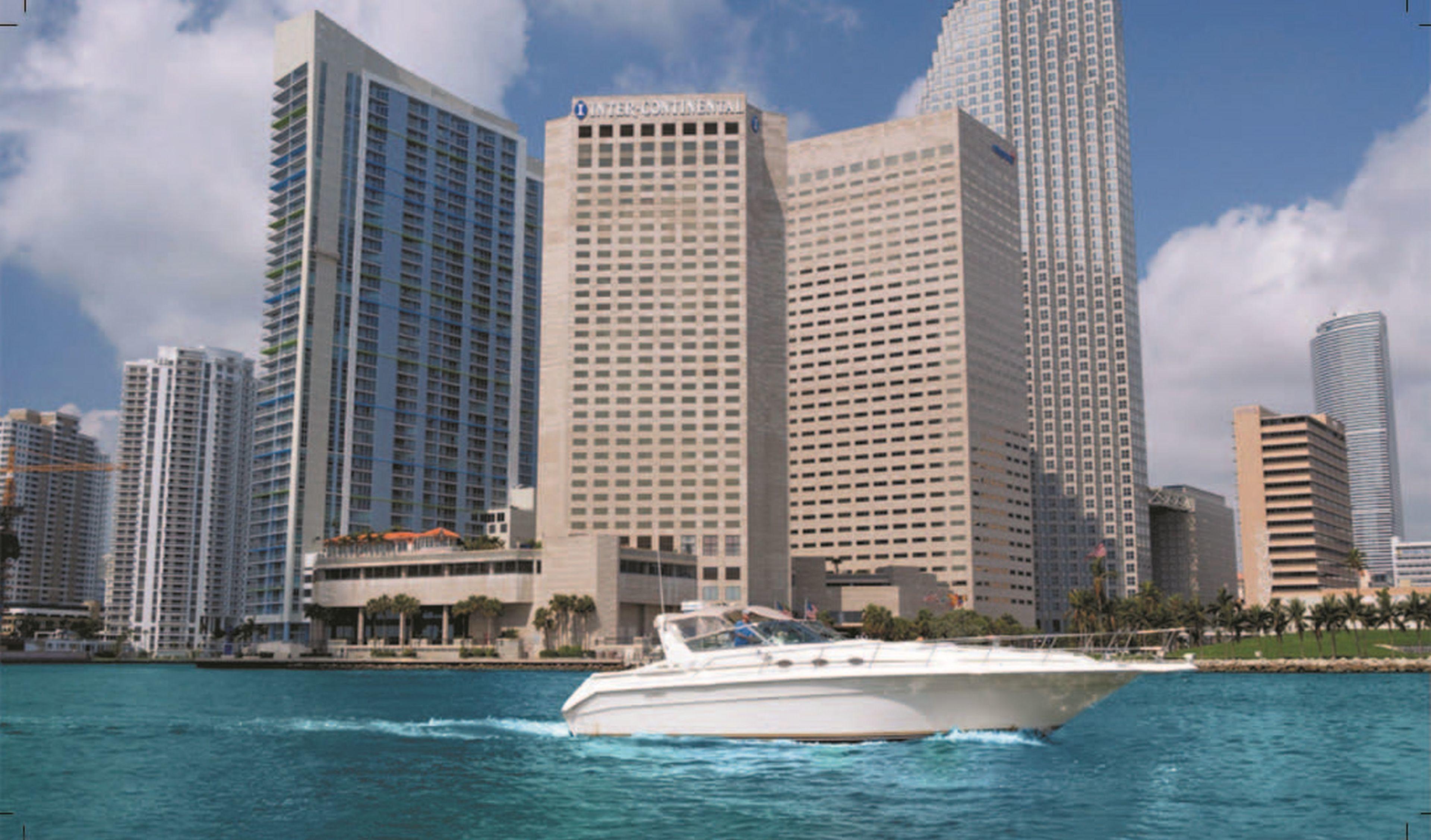
InterContinental Miami deserves a venue-specific plan because the miami blends event logistics with a guest-facing hospitality environment. The building influences far more than the room diagram; it changes how teams handle access, service orders, labor, and how much operational discipline the week will require.
the goal is not to praise the building. The goal is to show how the building changes the work.
What we focus on
Translate venue conditions into budget language so the client sees why this building changes cost, timing, or support depth.
Treat InterContinental Miami as a living operating environment, not a brochure line item.
Map the close-out path before opening day so the property still works for the team when the crowd leaves.
The InterContinental Miami footprint
InterContinental Miami is one of the venues we work on regularly in Miami.
Located at 100 Chopin Plaza, Downtown Miami / Biscayne Bay.
The Miami event landscape
Scope gets tighter; standards don't.
The Miami Beach Convention Center meetings section describes 1.4 million total square feet, nearly 500,000 square feet of versatile exhibit space, a 60,000-square-foot Grand Ballroom, a 20,000-square-foot Junior Ballroom, and 84 breakout rooms.
- Confirm which venue-managed processes control dock, power, labor, and service ordering.
- Use the building's real scale to size staging and supervision instead of guessing.
- Let the access conditions shape the booth and freight plan before the field team is booked.
How Miami floor operations work
Labor in Miami runs venue-by-venue, not citywide.
Separate supplier categories for audio-visual and film services, caterers, destination management companies, transportation, employment services, and entertainment talent booking, which supports a mixed, vendor-network-driven market rather than one universal venue rule set.
Line items on a typical project
For programs that repeat, asset management becomes part of the engagement — storage, graphic rotation, refurbishment, and re-crating are planned rather than one-off.
Out of scope by default are show organizer fees, booth lease costs paid directly to the show, staff travel and per diems, and any custom software or data-capture tooling the client runs on its own stack. Those stay on the client side and plug into the project through coordination, not rebilling.
How a project runs
Once scope is clear, the venue work begins.
One named show-site lead runs the install.
That document drives the next booking.
What it costs and how fast it moves
Cost scales with how it is built, how big it is, what the venue charges for its own services, what the graphics look like, how far the crates travel, and how many days the team stays on-site.
Rental programs run on 8 to 12.
What a successful project looks like
Trade show ROI is measured at the lead and pipeline level.
The post-show debrief is where the numbers get connected back to the physical booth. Which demo station drew traffic, which meeting area closed more conversations, which graphic zone attracted dwell time — that feedback shapes the next build rather than getting lost.
How we're built to run your project
Local fabrication means real-time problem-solving. A graphic that needs to be reprinted at 6 a.m.
Clients who run repeat programs across multiple dates end up paying less per event when the same team handles everything. Less re-briefing, less re-training, less re-checking — the operational overhead drops year over year.
Frequently asked questions
How does labor work in Miami?
It runs venue by venue.
How much lead time is ideal?
Custom builds run best with 16 to 20 weeks of lead time. Rentals take 8 to 12 weeks.
What information kicks off a project?
The show, the venue, the booth number, the dates, and a target budget range. From those, an initial scope and a realistic cost come back within a few days.
Who runs the booth on-site?
One named show-site lead runs the install, the show hours, and the strike. That person carries the floor plan and the punch list from crates to doors and reports up once a day.
Can the booth travel to the next city on our calendar?
Same structure, swappable graphics, standard crates.
What happens if something breaks during show hours?
The on-site lead handles it.