
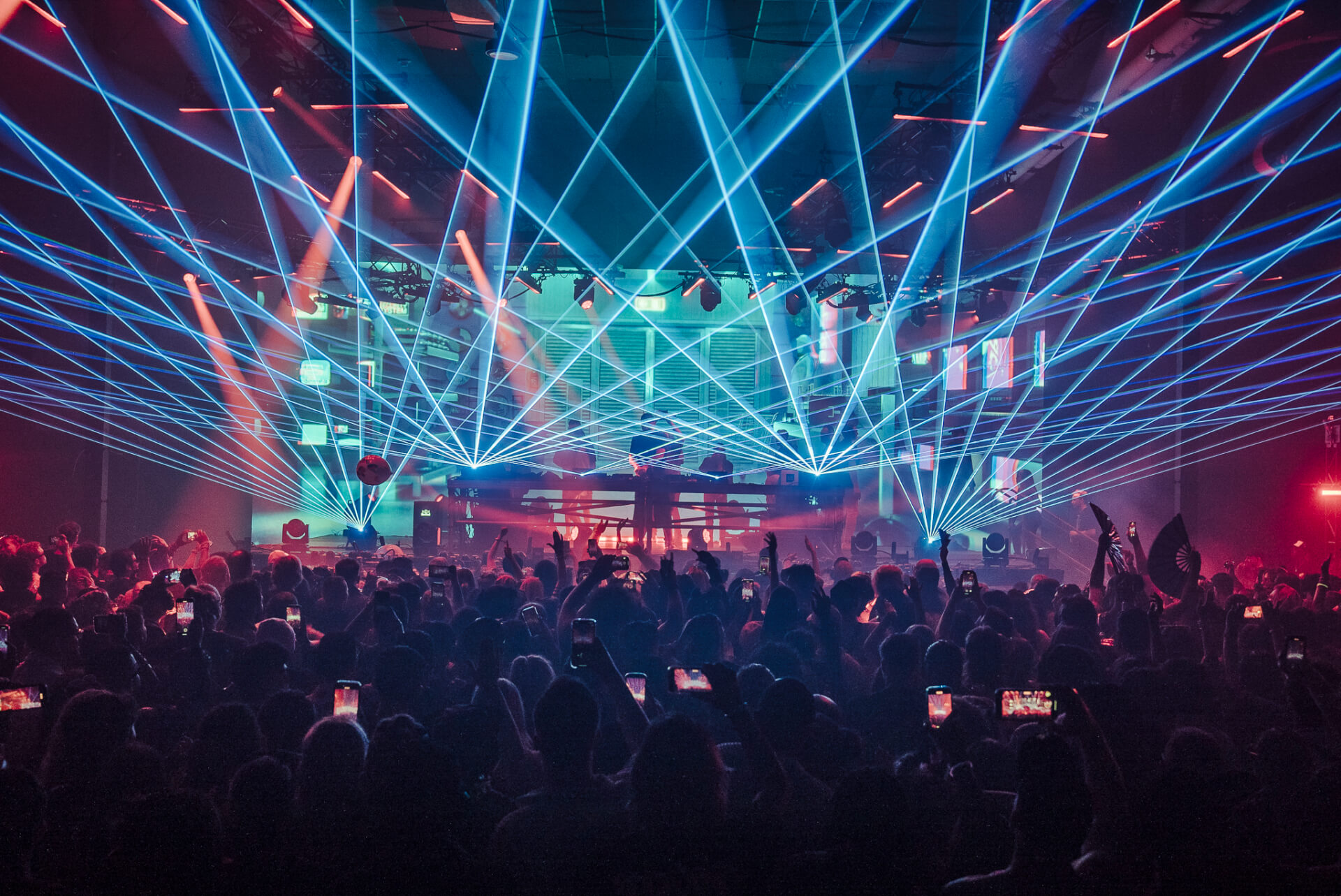
Mana Wynwood deserves a venue-specific plan because the wynwood works best when the plan reflects the property's own operating logic.
the goal is not to praise the building. The goal is to show how the building changes the work.
What we focus on
Translate venue conditions into budget language so the client sees why this building changes cost, timing, or support depth.
Treat Mana Wynwood as a living operating environment, not a brochure line item.
Map the close-out path before opening day so the property still works for the team when the crowd leaves.
The Mana Wynwood footprint
Mana Wynwood is one of the venues we work on regularly in Miami.
Located at 318 NW 23rd St., Wynwood.
What drives the Miami calendar
The Miami Airport Convention Center listing highlights 172,000 square feet of conference, trade show, and meeting space, including 100,000 square feet of exhibition space, a 29,000-square-foot ballroom, and 45 breakout rooms — a useful reference point when sizing a project.
350,000 square feet of contiguous exhibit space plus a 31,639-square-foot meeting venue, with future campus expansion language above 1.2 million square feet.
- Confirm which venue-managed processes control dock, power, labor, and service ordering.
- Use the building's real scale to size staging and supervision instead of guessing.
- Let the access conditions shape the booth and freight plan before the field team is booked.
What makes our work different
Working with a Miami-based shop matters most when something goes wrong on-site. Solutions live within driving distance instead of on another coast.
Over a multi-show calendar, the compound value of a single team shows up in fewer surprises. The second install is faster than the first, the third is faster than the second, and by the fourth the project runs on memory and documentation rather than first-principles planning.
How Miami floor operations work
Labor in Miami runs venue-by-venue, not citywide.
Miami and Broward, house services, and outside-vendor access as venue-manual-driven. Convention centers, airport facilities, resort campuses, and nightlife-oriented event venues do not share one defensible blanket labor rule.
What's included in the project scope
For programs that repeat, asset management becomes part of the engagement — storage, graphic rotation, refurbishment, and re-crating are planned rather than one-off.
Scope boundary is as important as scope inclusion.
How a project runs
After the brief, the work turns to the building itself.
With venue details locked, production runs.
One named show-site lead runs the install.
Throughout show hours, the on-site lead stays present.
Pricing and scheduling
Every project has the same cost drivers.
Rental programs run on 8 to 12.
What a successful project looks like
Exhibitors who measure programs seriously track leads, floor-booked meetings, and post-show pipeline. The build and the install are upstream inputs to those KPIs.
The post-show debrief is where the numbers get connected back to the physical booth. Which demo station drew traffic, which meeting area closed more conversations, which graphic zone attracted dwell time — that feedback shapes the next build rather than getting lost.
Frequently asked questions
How does labor work in Miami?
It runs venue by venue.
How much lead time is ideal?
Custom builds run best with 16 to 20 weeks of lead time. Rentals take 8 to 12 weeks.
What information kicks off a project?
The show, the venue, the booth number, the dates, and a target budget range. From those, an initial scope and a realistic cost come back within a few days.
Who runs the booth on-site?
One named show-site lead runs the install, the show hours, and the strike. That person carries the floor plan and the punch list from crates to doors and reports up once a day.
Can the booth travel to the next city on our calendar?
Same structure, swappable graphics, standard crates.
What happens if something breaks during show hours?
The on-site lead handles it.