
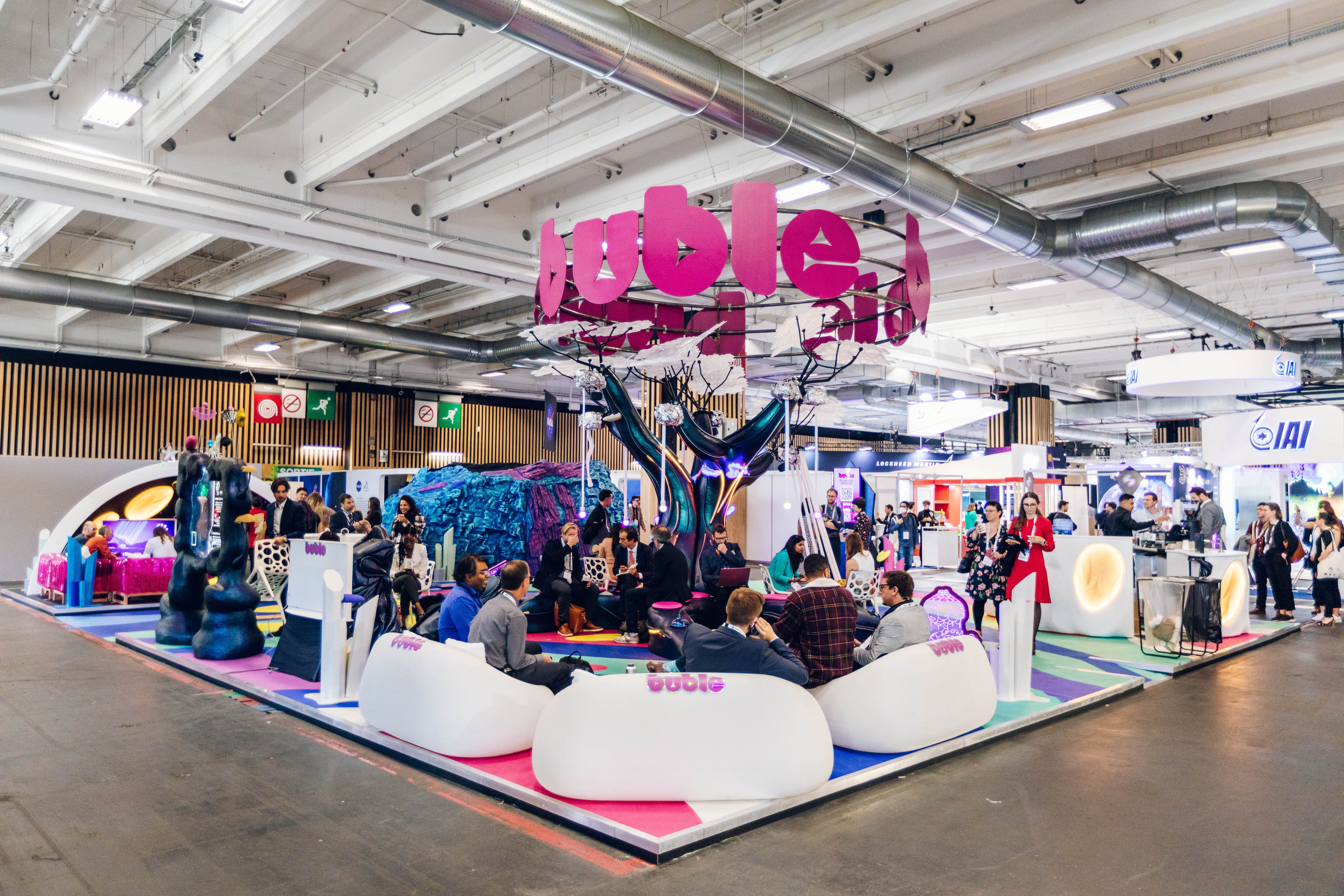
Light is the fastest way to make a booth read from a distance, and on a competitive Miami floor that distance can be the length of an MBCC exhibit hall. Backlit SEG light boxes and LED video walls both solve the same problem in different ways: one with an evenly lit printed graphic, the other with motion and changeable content.
Backlit displays use silicone-edge fabric stretched over an LED-edge-lit or backlit frame, giving a glowing, smooth image with no hotspots. LED video walls are tiled panels driven by a processor and a content source, which means a real conversation about pixel pitch, viewing distance, power, and who is running the playlist on show days.
Trade Show Logistics of Miami scopes backlit and LED elements against the venue first. Power drop locations, electrical order deadlines, overhead rigging rules, and heat all change what is buildable, so we confirm those before promising a wall of light at a building like the Miami Beach Convention Center or the airport halls.
What we settle first on lit displays
Pick the technology to the job: backlit SEG for a clean static brand wall, LED video for motion, demos, or content that has to change during the show.
Size LED pixel pitch to viewing distance so a wall looks sharp at the range attendees actually stand, not simply up close.
Lock power: confirm circuit count, drop placement, and the venue's advance electrical deadline, since LED and backlit loads must be ordered before move-in.
Verify rigging rules if any element hangs, because overhead work is venue-controlled labor at Miami convention venues and drives both cost and schedule.
Decide who owns content on show days, whether a looping playlist, a live demo feed, or operator-run presentations, and build that into the labor plan.
Backlit fabric versus LED video
Backlit SEG light boxes are the reliable choice for a brand statement. A pillowcase fabric graphic over an edge-lit frame glows evenly, ships light, and has nothing to crash on show morning, which makes it forgiving for traveling Miami programs.
LED video walls earn their cost when the message has to move: product demos, looping sizzle content, social feeds, or sponsor rotations. They also draw real power and generate heat, so they are an engineering decision, not simply a graphic one.
Many strong Miami booths use both, a backlit brand band for identity and a smaller LED tile for motion, which keeps the always-on glow while reserving the expensive technology for the content that truly needs it.
Power, heat, and the electrical order
LED walls and backlit frames both need dedicated power, and the advance electrical order at venues like the Miami Beach Convention Center closes well before move-in. Missing that deadline means floor-order rates, which inflate the budget quickly.
Circuit count and drop placement have to match the design. A video wall fed from the wrong corner of the booth means visible cable runs or a redesign on the floor, neither of which is cheap during a tight install window.
Heat and ventilation matter for larger LED installs. We plan airflow and cable management so the wall runs cleanly through long show days in a packed South Florida hall.
Pixel pitch, content, and operators
Pixel pitch is chosen for the room. A wall attendees view from several feet away can use a wider pitch and cost less; a wall people stand right next to needs a finer pitch to stay sharp.
Content has to exist and be sized to the canvas before show week. We confirm resolution, file formats, and a fallback loop so the wall is never showing a desktop or a black panel during floor hours.
Someone owns the playback. Whether that is a simple media player on a loop or an operator running live presentations, the labor and the show-day plan are scoped up front, not improvised at the booth.
- Use the format to set the right support scope early.
- Let venue reality shape how aggressive the build or production plan can be.
- Protect the audience-facing result before trimming the parts that make it work.
Where lit displays pay off in Miami
Long-sightline halls reward light. At the MBCC, with nearly 500,000 square feet of exhibit space, a glowing back wall or a bright LED tile cuts through aisle clutter from a distance that flat print cannot match.
Content-driven Miami events, from eMerge Americas tech programs to design-forward shows in Wynwood and the Design District, increasingly expect motion, which is where right-sized LED earns its place.
For traveling exhibitors, we favor backlit and modular LED systems that crate safely and re-deploy across Miami, Broward, and Orlando dates, with content and graphics swapped between shows rather than rebuilt.
Backlit & LED questions
What is the difference between a backlit display and an LED wall?
A backlit display lights a printed fabric graphic from behind or the edge for an even glow. An LED video wall is made of tiled panels showing live or looping content. Backlit is static and light; LED is dynamic and power-hungry.
How much power does an LED video wall need at a Miami show?
Enough that it must be ordered in advance. LED walls need dedicated circuits, and the advance electrical deadline at venues like the MBCC closes before move-in, so we order power early to avoid floor-order rates.
What pixel pitch do I need?
It depends on viewing distance. A wall seen from several feet away can use a wider, cheaper pitch; a wall people stand right next to needs a finer pitch to look sharp. We size it to where attendees actually stand.
Can I hang a backlit sign or LED over my booth?
Sometimes, but overhead rigging is venue-controlled labor at Miami convention venues and depends on the show rules. We confirm whether hanging an element is allowed and what it costs before designing it in.
Who runs the content on show days?
Whoever the plan assigns. Simple installs use a looping media player; demo-heavy booths use an operator. Either way we scope the playback, the file specs, and a fallback loop before the show opens.
Are backlit displays good for traveling booths?
Yes. Backlit SEG light boxes ship light, have nothing to crash, and rebuild quickly, which makes them well suited to exhibitors running multiple Miami and Florida dates a year.
Backlit fabric or printed rigid for a brand wall?
Backlit fabric reads brighter and more premium and packs smaller, but needs power and an edge-lit frame. Printed rigid is simpler and cheaper but flat. The choice depends on budget and how much the booth travels.