
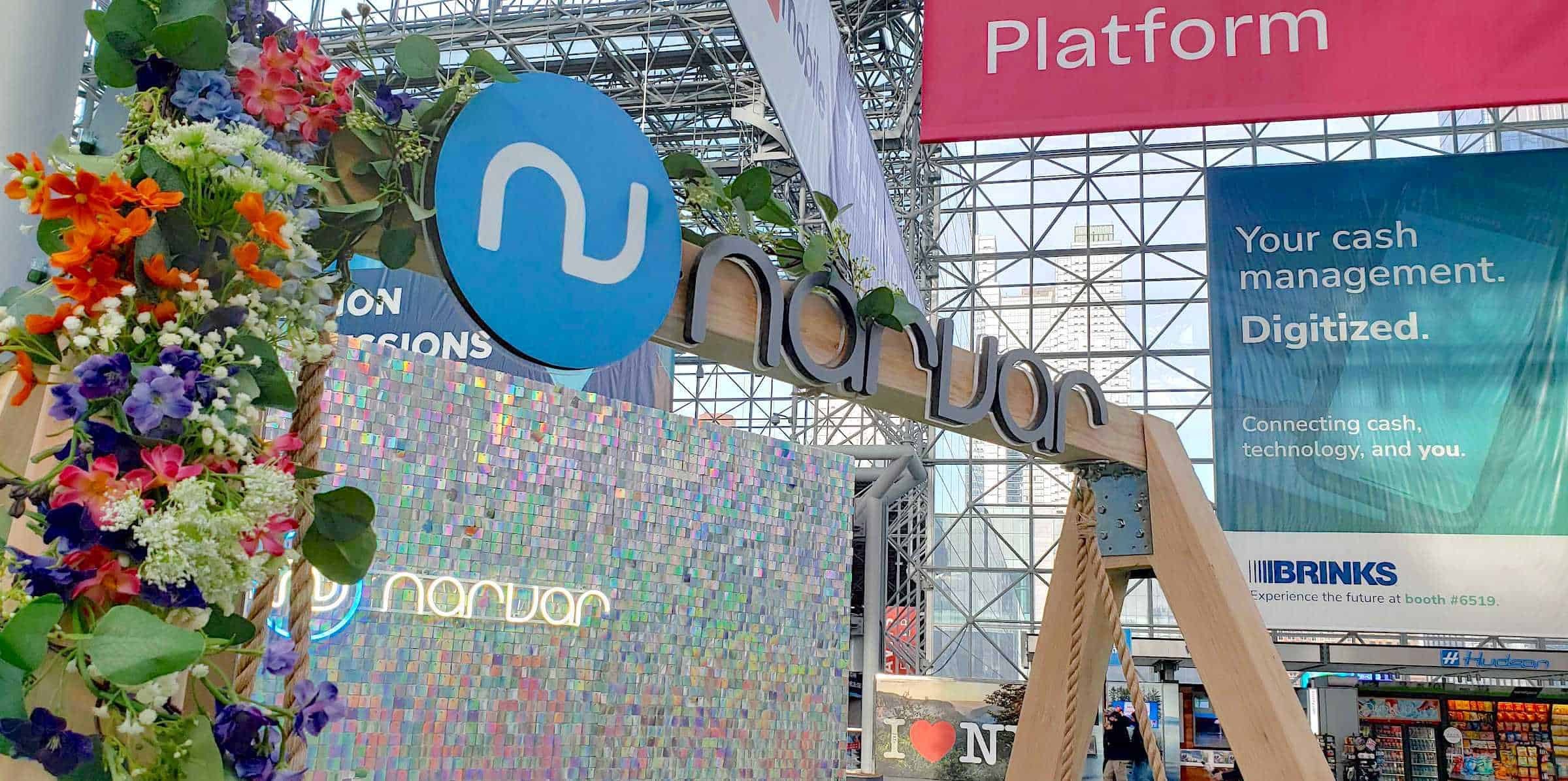
That is why the operating view matters so much in Miami.
the point is not to add filler. The point is to turn the choice into better event outcomes such as a sharper live impression with better operational support and a cleaner path through advance work, live show days, and strike.
What we focus on
Use guest arrival, sponsor visibility, content timing, and the physical finish that shapes first impressions to decide what has to be settled in advance and what can stay flexible until the venue confirms live conditions.
Keep the budget tied to a sharper live impression with better operational support rather than to a checklist of disconnected add-ons.
Plan strike, return freight, and next-step ownership before opening day so the program finishes as cleanly as it starts.
Miami as a trade show city
Trade shows in Miami move fast.
Trade show weeks in Miami compress decisions.
Where Miami shows actually happen
The building matters more than almost anything else in a trade show plan. A few Miami venues carry most of the calendar.
The right building depends on the show: a consumer expo wants open aisles and broad traffic flow; a corporate conference wants controlled breakout space; a brand activation wants a venue that can carry scenic and production without fighting the architecture.
Why Trade Show Logistics of Miami
Trade Show Logistics of Miami keeps the work local.
Consistency across show dates is the other reason to hire local. The same crew that built the booth runs the install, knows the pack-out, and catches the small things — a missing hardware pack, a graphic edge that needs reseating, a storage crate routed to the wrong bay — without needing the client team to intervene.
- Use the format to set the right support scope early.
- Let venue reality shape how aggressive the build or production plan can be.
- Protect the audience-facing result before trimming the parts that make it work.
Who handles what during the Miami install window
Strong Miami labor planning starts with the service manual, the venue's labor categories, the services sold directly by the building, and the posted windows that control the work.
Miami and Broward, house services, and outside-vendor access as venue-manual-driven. Convention centers, airport facilities, resort campuses, and nightlife-oriented event venues do not share one defensible blanket labor rule.
The main Miami event areas
Miami Beach Convention and Collins Corridor covers Miami Beach, South Beach, Mid-Beach, North Beach.
Downtown, Brickell, and Biscayne Bay Core — Miami, Downtown Miami, Brickell — is a different environment. Supports downtown conference centers, convention hotels, investor and product-launch events, sponsor activations, and high-density corporate programs tied to Biscayne Bay and the urban core.
What's included in the project scope
Individual projects layer or remove items based on scope.
Scope boundary is as important as scope inclusion.
From first call to strike
After the brief, the work turns to the building itself.
Install days are owned by a single on-site lead.
Throughout show hours, the on-site lead stays present.
Strike and closeout happen the same day.
Cost and lead time
Every project has the same cost drivers.
Lead time drives everything. Custom: 16 to 20 weeks. Rental: 8 to 12.
Outcomes we optimize for
Most programs in Miami are evaluated on lead-capture volume, meetings booked on the floor, and qualified-pipeline attribution after the show. The booth is a means to those numbers — it is not the number itself.
A week after the show, the booth's actual floor performance is already clearer than any pre-show projection. We document those observations alongside the technical closeout so the next cycle inherits real signal, not nostalgia.
Frequently asked questions
Do you work at DoubleTree by Hilton Miami Airport & Convention Center?
Yes.
How does labor work in Miami?
It runs venue by venue.
How much lead time is ideal?
Custom builds run best with 16 to 20 weeks of lead time. Rentals take 8 to 12 weeks.
What information kicks off a project?
The show, the venue, the booth number, the dates, and a target budget range. From those, an initial scope and a realistic cost come back within a few days.
Who runs the booth on-site?
One named show-site lead runs the install, the show hours, and the strike. That person carries the floor plan and the punch list from crates to doors and reports up once a day.
Can the booth travel to the next city on our calendar?
Same structure, swappable graphics, standard crates.
What happens if something breaks during show hours?
The on-site lead handles it.