
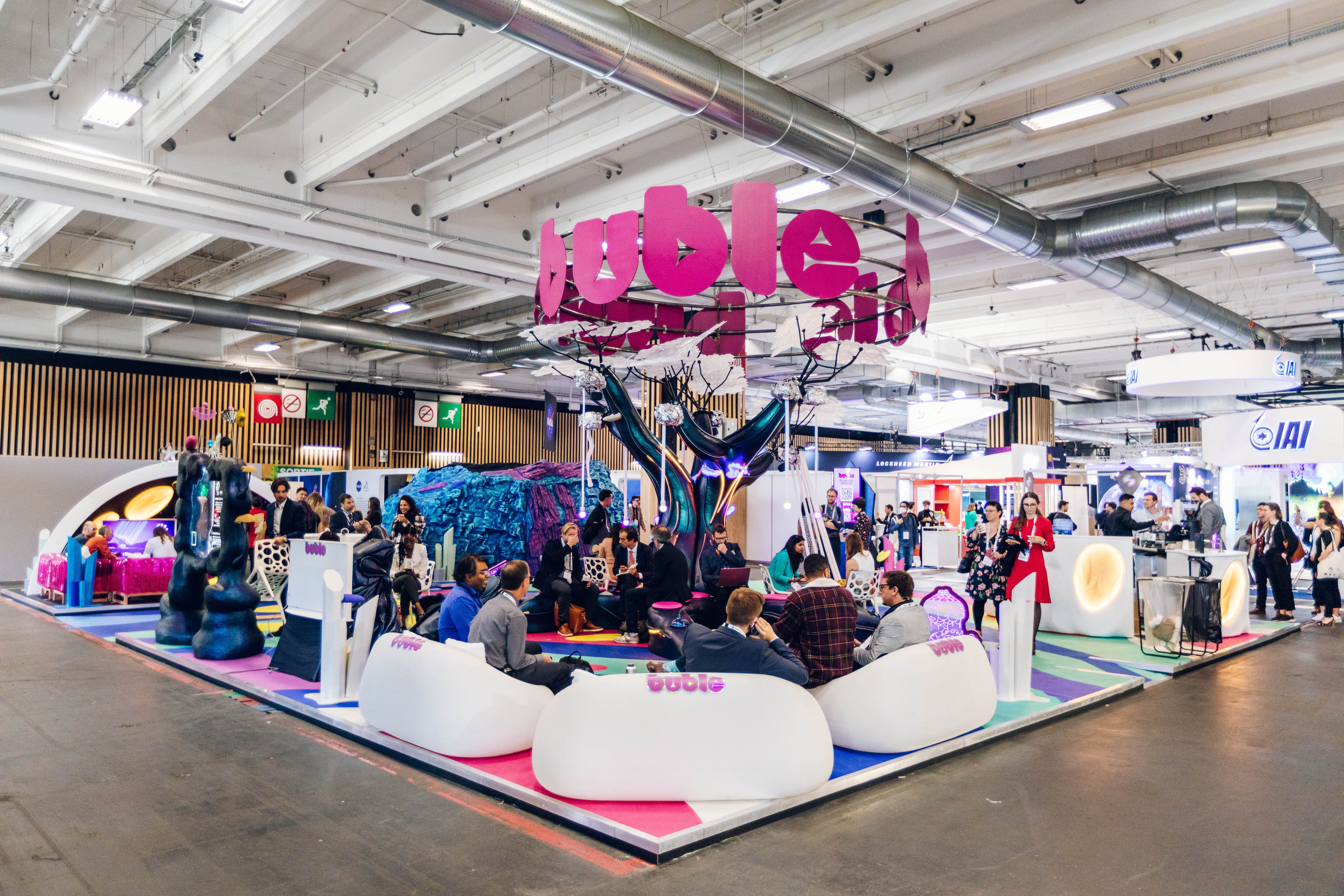
Show-Site Supervision has to hold up under real venue pressure: the install path, labor coverage, freight timing, and field ownership all need to be clear before conditions change.
That is why the operating view matters so much in Miami.
the point is not to add filler. The point is to turn the choice into better event outcomes such as fewer floor surprises and quicker recovery when conditions shift and a cleaner path through advance work, live show days, and strike.
What we focus on
Use venue rules, labor timing, freight release, and the real-time decisions that protect opening day to decide what has to be settled in advance and what can stay flexible until the venue confirms live conditions.
Check Show-Site Supervision against the Biltmore Hotel Miami - Coral Gables so the service or format is formed by the building instead of by assumption.
Keep the budget tied to fewer floor surprises and quicker recovery when conditions shift rather than to a checklist of disconnected add-ons.
What drives the Miami calendar
Miami is a working trade show market.
350,000 square feet of contiguous exhibit space plus a 31,639-square-foot meeting venue, with future campus expansion language above 1.2 million square feet.
Miami venues we work
A venue walk — either in person or via the published floor plan — is the step that reveals constraints no spec sheet shows. Column spacing, real ceiling height at the grid point, and dock access shape what's actually buildable.
Broward County Convention Center.
Operational rules on the Miami floor
Miami floor operations follow the venue's own manual.
Separate supplier categories for audio-visual and film services, caterers, destination management companies, transportation, employment services, and entertainment talent booking, which supports a mixed, vendor-network-driven market rather than one universal venue rule set.
Miami neighborhoods and event districts
Airport, Doral, and West Access Belt covers Doral, Miami Springs, West Miami, Sweetwater. Important for airport-adjacent conventions, west-side freight access, fabrication routing, and exhibitors who need easier trucking and warehouse movements than the beach corridor allows.
North Coastal Extension runs across Sunny Isles Beach, Aventura, North Miami.
What's included in the project scope
a bad one has many, because they weren't.
Those run alongside the engagement rather than inside it.
What an engagement actually looks like
Once scope is clear, the venue work begins.
One named show-site lead runs the install.
That document drives the next booking.
Pricing and scheduling
Cost scales with how it is built, how big it is, what the venue charges for its own services, what the graphics look like, how far the crates travel, and how many days the team stays on-site.
Rental programs run on 8 to 12.
How project performance gets measured
Trade show ROI is measured at the lead and pipeline level.
The post-show debrief is where the numbers get connected back to the physical booth. Which demo station drew traffic, which meeting area closed more conversations, which graphic zone attracted dwell time — that feedback shapes the next build rather than getting lost.
What makes our work different
Local fabrication means real-time problem-solving. A graphic that needs to be reprinted at 6 a.m.
Clients who run repeat programs across multiple dates end up paying less per event when the same team handles everything. Less re-briefing, less re-training, less re-checking — the operational overhead drops year over year.
Frequently asked questions
Do you work at Hilton Miami Downtown?
Yes. With breathtaking views of Biscayne Bay, our hotel offers an exceptional stay in central Miami. Just one mile from Kaseya Center and Bayside Marketplace, guests are within walking distance of premier shopping, dining, and entertainment.
How does labor work in Miami?
It runs venue by venue.
How much lead time is ideal?
Custom builds run best with 16 to 20 weeks of lead time. Rentals take 8 to 12 weeks.
What information kicks off a project?
The show, the venue, the booth number, the dates, and a target budget range. From those, an initial scope and a realistic cost come back within a few days.
Who runs the booth on-site?
One named show-site lead runs the install, the show hours, and the strike. That person carries the floor plan and the punch list from crates to doors and reports up once a day.
Can the booth travel to the next city on our calendar?
Same structure, swappable graphics, standard crates.
What happens if something breaks during show hours?
The on-site lead handles it.