
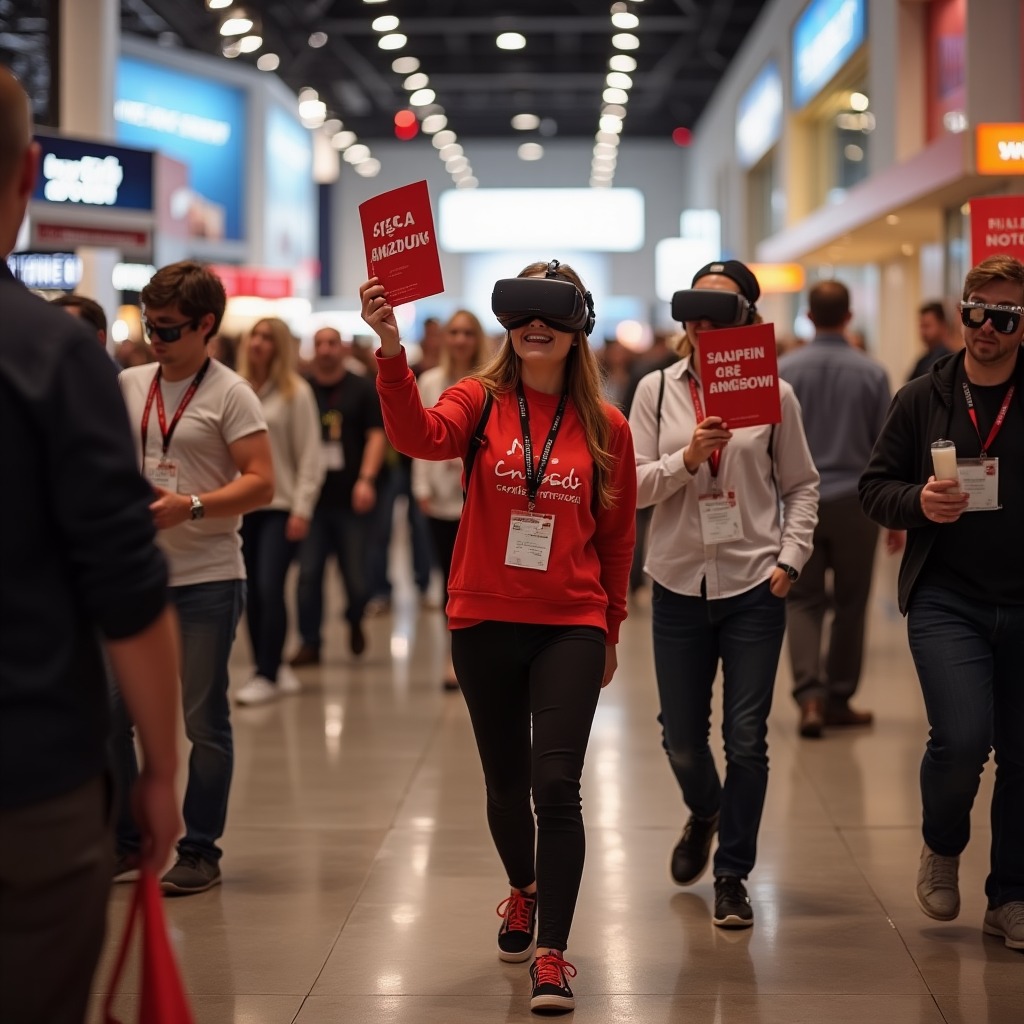
That is why the operating view matters so much in Miami.
the point is not to add filler. The point is to turn the choice into better event outcomes such as a cleaner guest experience with fewer field pivots and a cleaner path through advance work, live show days, and strike.
What we focus on
Use keep guest flow, sponsor moments, and production handoffs visible from the outset to decide what has to be settled in advance and what can stay flexible until the venue confirms live conditions.
Check Registration Lobbies and Attendee Flow against Sheraton Miami Airport Hotel & Executive Meeting Center so the service or format is formed by the building instead of by assumption.
Keep the budget tied to a cleaner guest experience with fewer field pivots rather than to a checklist of disconnected add-ons.
Where Miami shows actually happen
The right building depends on the show: a consumer expo wants open aisles and broad traffic flow; a corporate conference wants controlled breakout space; a brand activation wants a venue that can carry scenic and production without fighting the architecture.
Trump National Doral, Miami: have included golf legends, celebrities and dignitaries, drawn to the resort not only for its privileged location just minutes from Miami’s world-renowned beaches and attractions but also for its unwavering commitment to impeccable service and unparalleled luxury.
Who handles what during the Miami install window
On most Miami shows, the labor plan takes one call with the venue's exhibitor services desk, one review of the current manual, and one email to the general contractor. Skipping any of those three is usually where problems start.
Separate supplier categories for audio-visual and film services, caterers, destination management companies, transportation, employment services, and entertainment talent booking, which supports a mixed, vendor-network-driven market rather than one universal venue rule set.
- Tie the scope to real move-in and strike windows instead of default assumptions.
- Check service orders, venue communication, and labor timing against the live venue documents.
- Use the venue to decide how much field coverage the job truly needs.
Where Miami shows cluster
The North Coastal Extension area runs through Sunny Isles Beach, Aventura, North Miami, North Miami Beach. Useful for luxury resort meetings, sponsor hospitality, and overflow programs that connect Miami-Dade work with Broward County venues and hotel inventory.
South Miami and Broward Spillover — Coral Gables, Coconut Grove, Key Biscayne — is a different environment.
Line items on a typical project
The flow projects typically include design work, fabrication or rental sourcing, graphics production, show-service paperwork, freight, install, show-hours coverage, and strike.
Individual projects layer or remove items based on scope.
From first call to strike
Once scope is clear, the venue work begins.
One named show-site lead runs the install.
That document drives the next booking.
Cost and lead time
Cost scales with how it is built, how big it is, what the venue charges for its own services, what the graphics look like, how far the crates travel, and how many days the team stays on-site.
Rental programs run on 8 to 12.
How project performance gets measured
Trade show ROI is measured at the lead and pipeline level.
The post-show debrief is where the numbers get connected back to the physical booth. Which demo station drew traffic, which meeting area closed more conversations, which graphic zone attracted dwell time — that feedback shapes the next build rather than getting lost.
Why Trade Show Logistics of Miami
Local fabrication means real-time problem-solving. A graphic that needs to be reprinted at 6 a.m.
Clients who run repeat programs across multiple dates end up paying less per event when the same team handles everything. Less re-briefing, less re-training, less re-checking — the operational overhead drops year over year.
Miami as a trade show city
Trade shows in Miami move fast.
Scope gets tighter; standards don't.
Frequently asked questions
Do you work at Faena Hotel Miami Beach?
Yes. Miami is known for its extravagant hotels and resorts that offer a vacation to remember, and if you’re looking for a true “wow” factor in a hotel stay, you'll find it at the oceanfront Faena Miami Beach. The moment you enter the hotel and saunter down the dramatic red carpet, you’re surrounded by gold pillars and jaw-dropping murals—a spectacular preview of what’s to come during your stay.
How does labor work in Miami?
It runs venue by venue.
How much lead time is ideal?
Custom builds run best with 16 to 20 weeks of lead time. Rentals take 8 to 12 weeks.
What information kicks off a project?
The show, the venue, the booth number, the dates, and a target budget range. From those, an initial scope and a realistic cost come back within a few days.
Who runs the booth on-site?
One named show-site lead runs the install, the show hours, and the strike. That person carries the floor plan and the punch list from crates to doors and reports up once a day.
Can the booth travel to the next city on our calendar?
Same structure, swappable graphics, standard crates.
What happens if something breaks during show hours?
The on-site lead handles it.